
We are living in a fast-paced world, where expectations are high, attention spans are low, with a demand for zero to no overstimulation at all. It almost seems like an impossible mission in the wrong hands.
The secret is not about choosing the most visible colour, but how to profit from it.
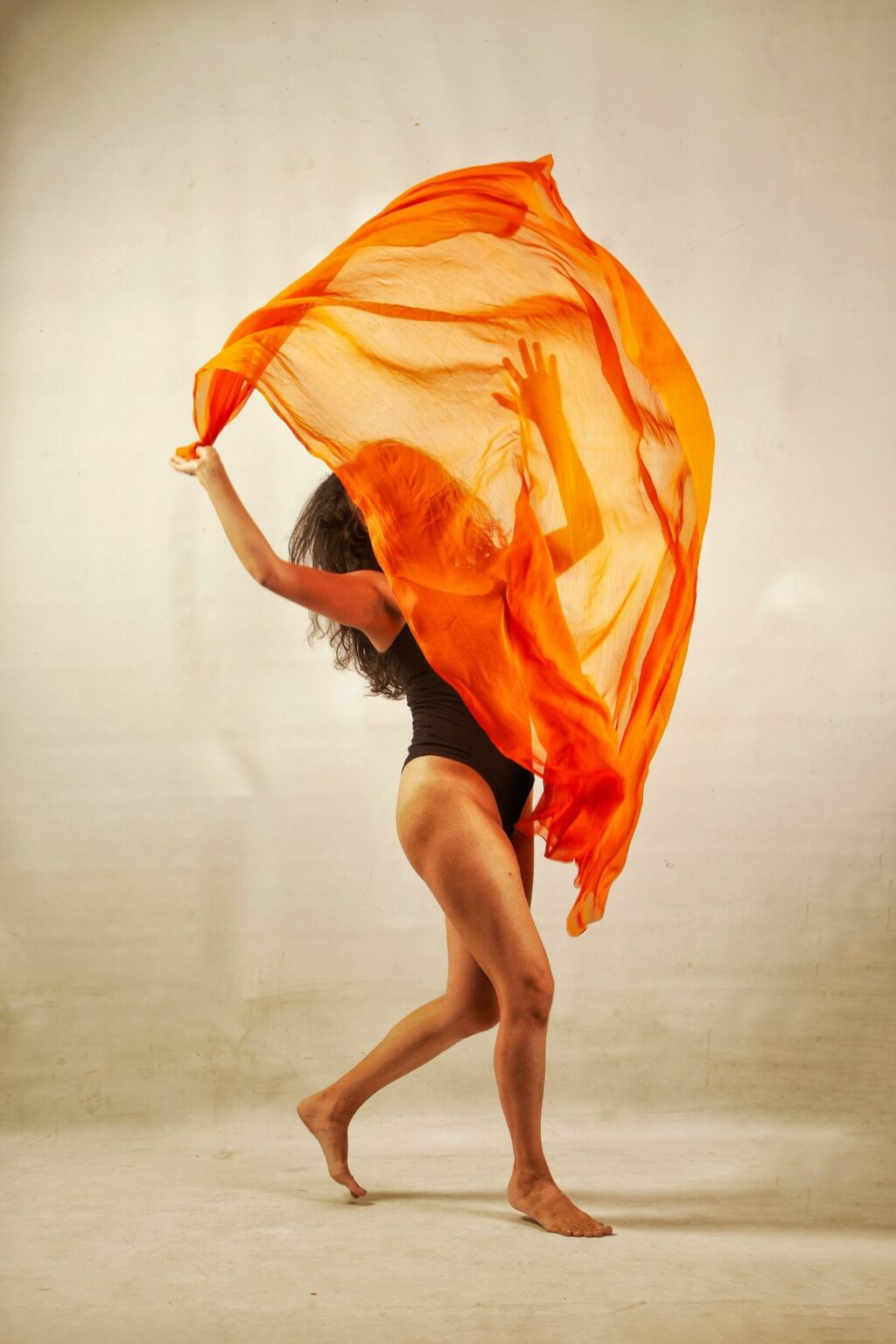
From Visual Appeal to Emotional Strategy
There is growing evidence that guests are no longer impressed by “wow” moments alone; they want to feel something meaningful. Today’s audiences crave connection — an opportunity to immerse themselves in a story, engage with a brand, and understand why an occasion deserves their time and attention.
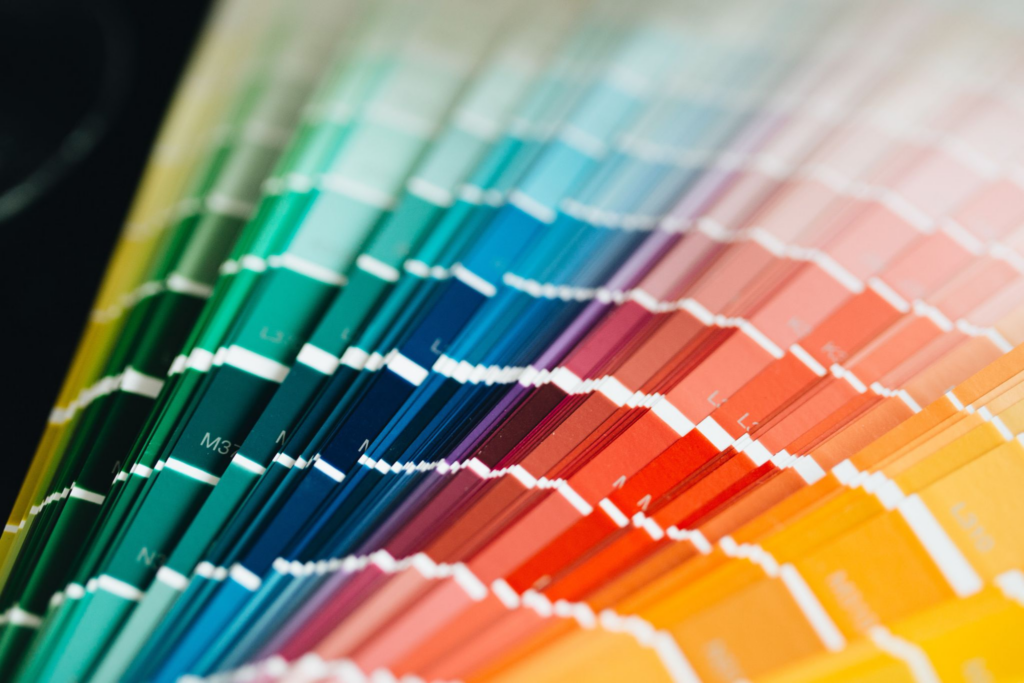
Even something as intentional as a thoughtfully curated colour palette can spark conversation, evoke emotion, and create a sense of belonging. In many ways, it transforms moments of silence into shared experiences, where guests feel connected not only to the event itself, but also to one another.
Bright ≠ Loud
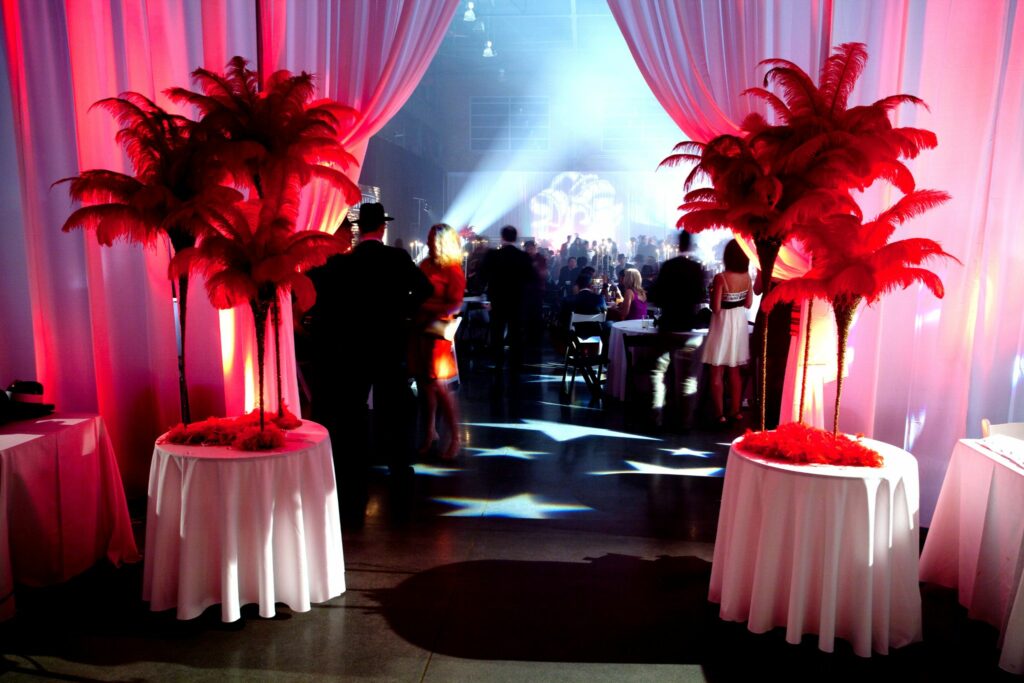
Intentional contrast may sound intimidating on paper, but when executed thoughtfully, it can completely transform a space. One of the most common design mistakes is assuming that brighter colors automatically command attention, like moths drawn to a flame. In reality, when everything competes for focus, nothing truly stands out.
Think of it like highlighting every line in bold text — the impact is lost. Instead, the most effective environments are created through balance: vivid accents layered against a softer, more refined foundation. This approach creates an airy, elevated atmosphere while still allowing important branding elements and focal moments to shine with purpose.
If you are looking for a natural look, try using Cloud Dancer, the 2026 Pantone Color of the Year. Read more about it here. (We have listed plenty of ideas to get inspired by.)
The Color Psychology Guide
Here are a few options to brainstorm on the search for the right one.
- Red, to use sparingly to create urgency and excitement. Perfect for focal points, not full environments.
- Blue, to anchor the experience with trust and clarity. Ideal for moments requiring focus.
- Yellow, to add optimism in bursts. Too much can overwhelm, just enough can uplift.
- Green, to reset the energy. A visual breath that allows guests to recharge.
- Black, to ground brightness with sophistication. It sharpens everything around it.
The Science of Stimulation (Why It Works)
Color stimulates the brain before logic even has a chance to step in. A thoughtfully chosen palette can instantly evoke comfort, excitement, curiosity, or calm, while subtly influencing how long guests remain engaged in a space. It is a delicate balance. Too much visual stimulation can create fatigue, while too little can leave an environment feeling flat and uninspiring. The true magic lies in finding harmony between the two — where color enhances the experience without overwhelming it. That balance is the key.
Attention vs Retention
While color is a powerful storytelling tool, it is essential to understand the ultimate objective behind its use. Is the goal simply to capture a fleeting glance or to hold attention and create a lasting impression? Without question, the latter is far more meaningful and impactful.
That is why every environment, audience, and occasion must be approached individually. Thoughtful adjustments in color, tone, and balance can dramatically influence the experience and ultimately deliver the strongest results.
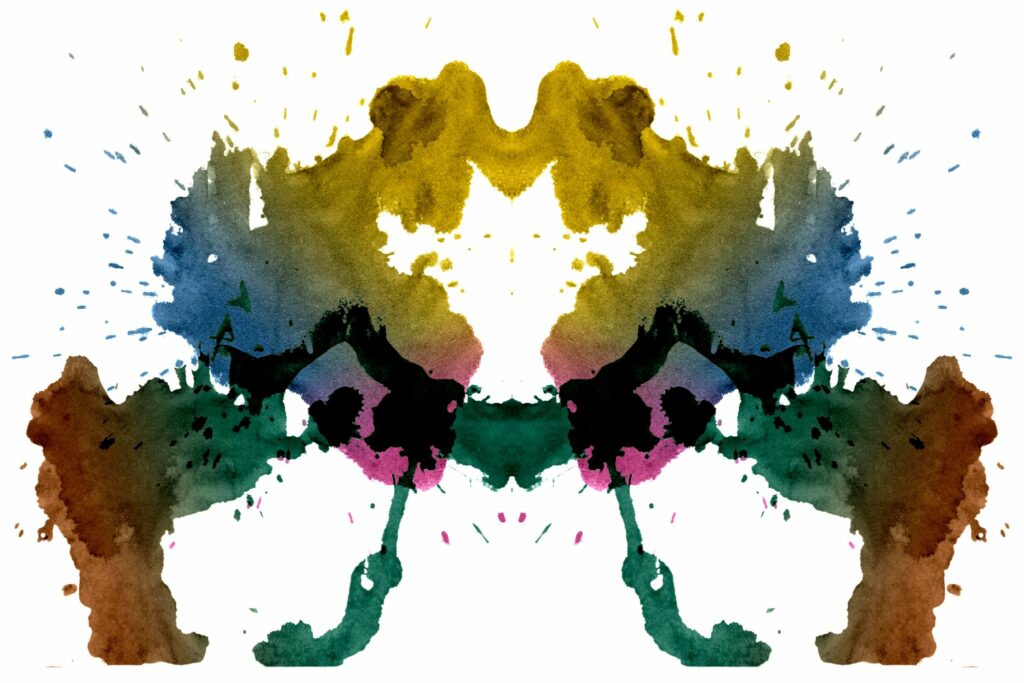
Suggestions to follow
- Use bright colours as accents rather than dominant backgrounds
- Let lighting transform the mood instead of constantly changing décor
- Create “visual rest zones” with softer, calming tones
- Align your colour palette with the purpose of the event, not just the aesthetics
- Colour is not decoration, it is direction. When used with intention, it does not just make an event look good, it makes it unforgettable.
Colour is not simply decoration — it is direction. When used with intention and balance, it does far more than make an event look beautiful; it shapes emotion, influences engagement, and creates memorable experiences that guests carry with them long after the event ends.
To collaborate, book a consultation today!